
If you’re planning a Vietnam photography tour, you’re in for a visual journey unlike any other. From misty mountains to colorful craft villages, Vietnam offers some of Southeast Asia’s most photogenic scenes. Whether you’re a professional photographer, an avid traveler with a camera, or a content creator looking to capture authentic cultural moments, this list will guide you through the top 10 destinations for photography in Vietnam.
1. Hanoi Old Quarter
Start your Vietnam photography tour in the beating heart of the country: Hanoi Old Quarter. This lively district, located at the center of Hanoi, is where history, culture, and everyday life intersect — making it a paradise for street photographers. Wandering through its maze-like streets, you’ll encounter a world full of sensory contrasts: the buzz of motorbikes zipping past centuries-old temples, the smell of sizzling street food rising from roadside stalls, and the vibrant colors of shopfronts packed with everything from silk lanterns to spices. The Old Quarter is one of the best places in Vietnam to capture the urban energy and cultural richness of daily life.
The Old Quarter isn’t just another tourist attraction — it’s a living museum. With more than a thousand years of history, its 36 streets still reflect the city’s traditional craft guilds, many of which are still active today. As you walk through streets like Hàng Đào, Hàng Bạc, and Mã Mây, you’ll find blacksmiths working next to fashion boutiques, fruit vendors squeezing into impossibly narrow alleys, and locals sipping egg coffee in cafés that have been passed down for generations. For photographers, this means every corner offers an opportunity to tell a story through your lens, whether you’re drawn to street portraits, architectural textures, or candid moments of everyday life.
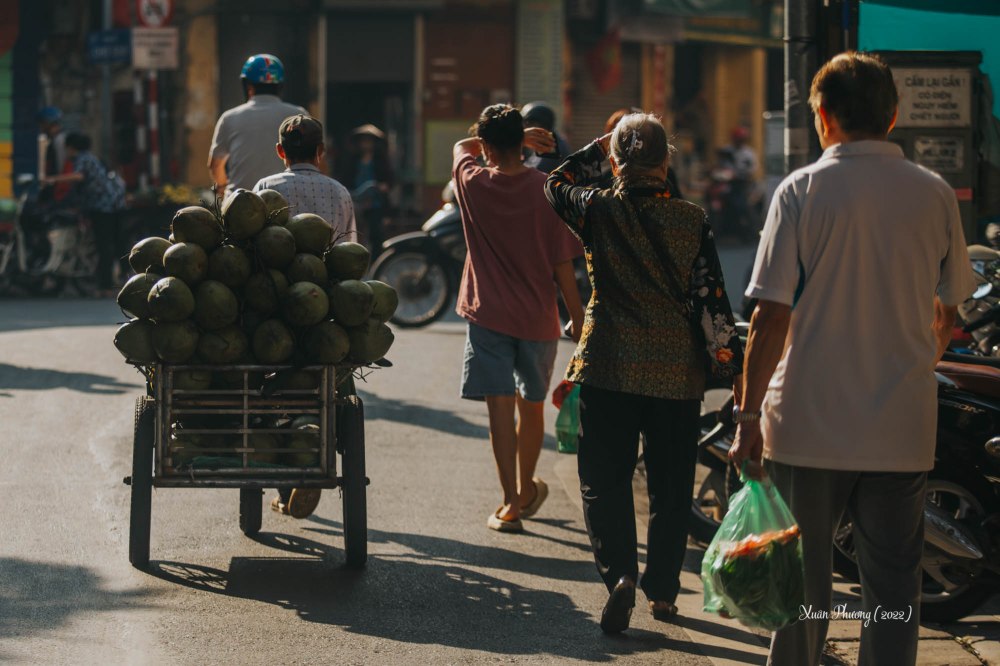
Don’t miss the chance to photograph the famous train street, where trains pass just inches from homes and coffee shops. The sight of a roaring train barreling through such a narrow space is both exhilarating and uniquely Hanoi — a scene that tells a story of adaptation, resilience, and community. Another favorite is the Dong Xuan Market, a bustling wholesale market where life happens at a fast pace. Here, light and movement collide in an explosion of textures, from stacks of dried goods to rows of colorful fabrics. Early mornings are best for catching the soft light as shopkeepers begin their day, while evenings offer low-lit, atmospheric scenes rich in contrast.
Hanoi Old Quarter also offers some quiet corners — pagodas hidden between shop houses, peaceful lakeside scenes at Hoàn Kiếm, and residents relaxing in faded collective housing blocks. These quiet moments create balance and contrast to the busier streets, giving photographers a chance to explore the full emotional spectrum of the city.
2. Mù Cang Chải
Mù Cang Chải, nestled in Yên Bái Province, is one of the most iconic stops on any Vietnam photography tour. Famed for its layered rice terraces that stretch across the hillsides, this remote region offers spectacular views during both the green season (May–June) and the golden harvest season (September–early October). Whether bathed in shimmering water or ripened to a golden hue, the terraces create stunning textures and natural symmetry that are a dream for landscape photographers.
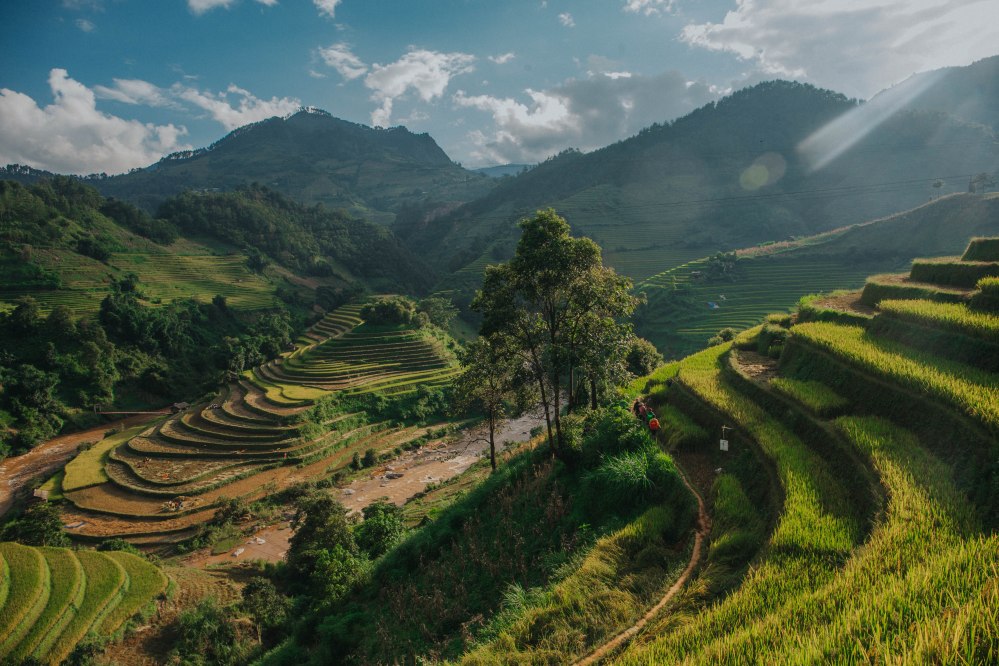
Beyond the scenery, Mù Cang Chải provides rich opportunities to document Vietnam’s ethnic cultures, particularly the Black H’Mông community. Their traditional clothing, homes, and farming methods add depth to portrait and documentary photography. In villages like La Pán Tẩn or Tú Lệ, you’ll witness daily life rooted in generations-old traditions — children playing on the terraces, elders harvesting rice, and families working in unison.
While it takes effort to reach — roughly 7–8 hours by road from Hanoi — that distance helps preserve its untouched charm. For photographers looking to combine majestic landscapes with authentic cultural stories, Mù Cang Chải is a must-visit destination on your Vietnam photo adventure.
3. Quang Phu Cau Incense Village
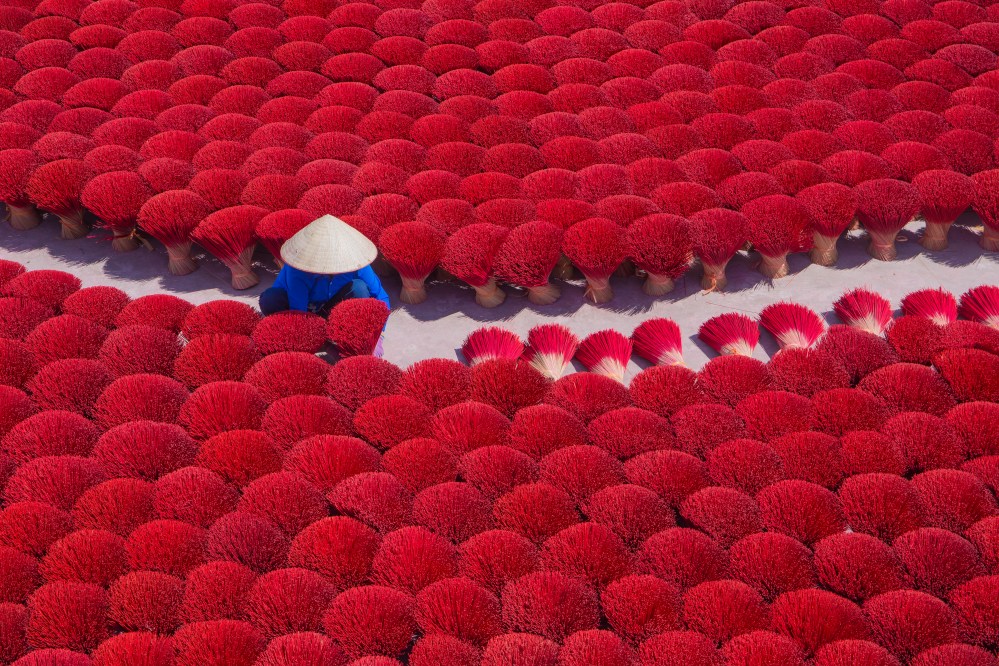
Just 40 km from Hanoi, Quang Phu Cau Incense Stick Village is a visual paradise for photographers. Famous for its vibrant scenes of red and yellow incense sticks drying under the sun, this traditional village offers rich textures, bold colors, and perfect symmetry — ideal for still-life, portrait, and street photography. Artisans here have been crafting incense for generations, making it a meaningful destination for those seeking to capture Vietnamese culture and craftsmanship.
On your Vietnam photo tour, you’ll have the chance to photograph the entire process — from dyeing bamboo sticks to arranging them in photogenic circular spreads. Early morning visits are especially rewarding, when soft light enhances the colors and locals go about their daily work. Whether you’re a beginner or seasoned photographer, this stop provides both cultural depth and visually compelling compositions.
4. Hội An
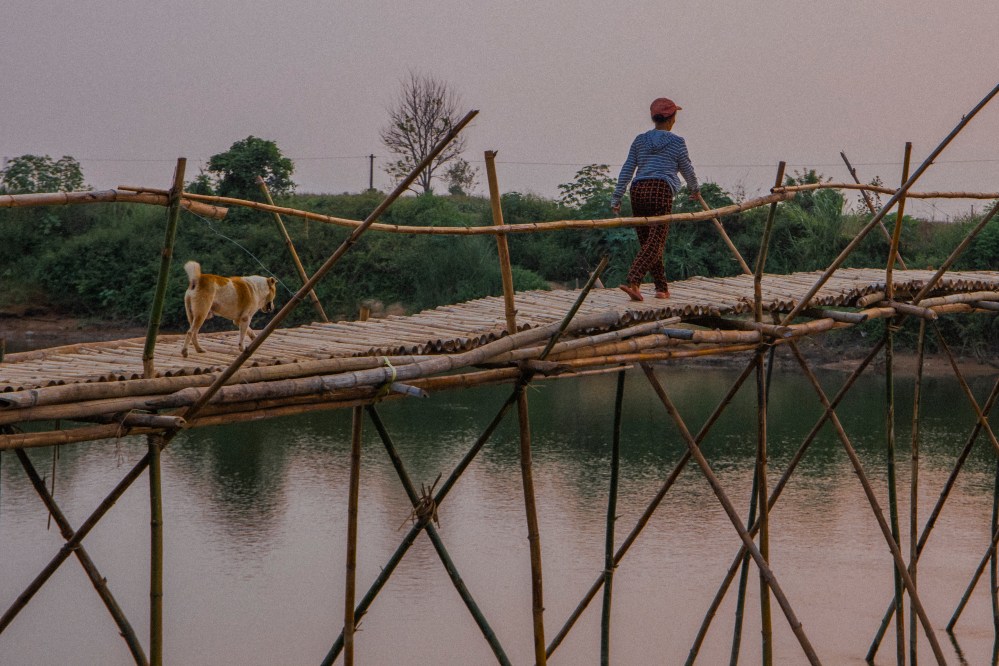
Hội An is a must-visit on any Vietnam photography tour, with its lantern-lit streets, mustard-yellow houses, and centuries-old architecture. This charming riverside town offers a magical blend of light, color, and culture — perfect for capturing slow, poetic moments. From early morning market scenes to golden-hour portraits along the Thu Bồn River, Hội An is rich in visual stories. Whether you’re photographing quiet alleys, traditional crafts, or riverside life, Hội An offers endless inspiration for those passionate about Vietnamese culture and photography.
5. Bac Ha
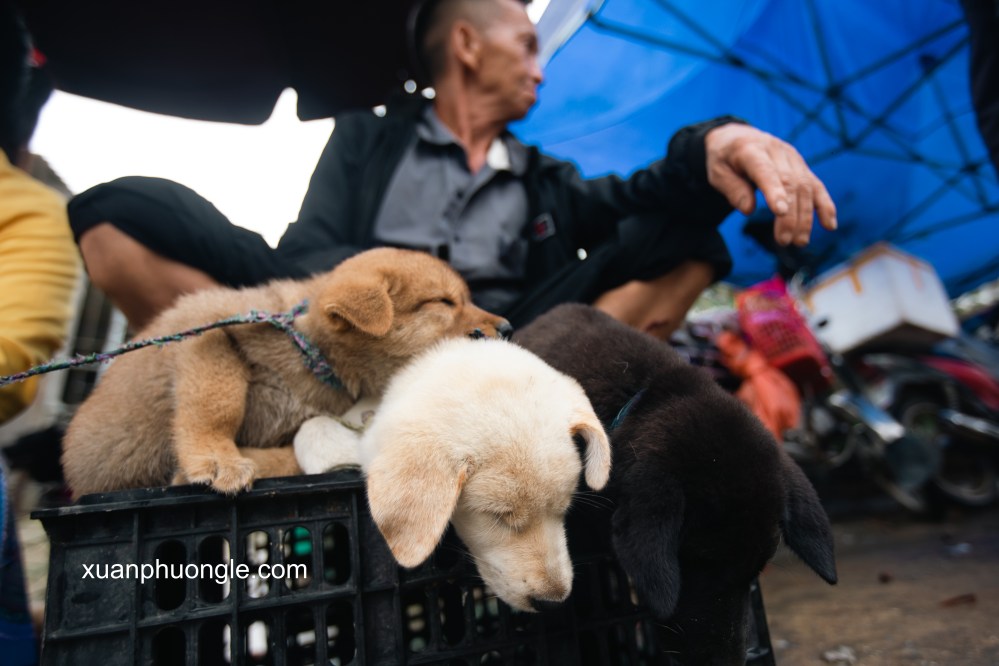
Nestled in the northern highlands, Bắc Hà is a hidden gem for cultural and documentary photographers. Best known for its vibrant horse racing festival and weekly ethnic market, this highland town bursts with colors, traditions, and raw mountain beauty. Home to the Flower H’Mông and other ethnic groups, Bắc Hà offers rare chances to capture traditional costumes, crafts, and daily life set against misty hills and white plum blossoms. It’s an essential stop for anyone looking to dive deep into Vietnam’s cultural diversity through photography.
6. Ha Giang
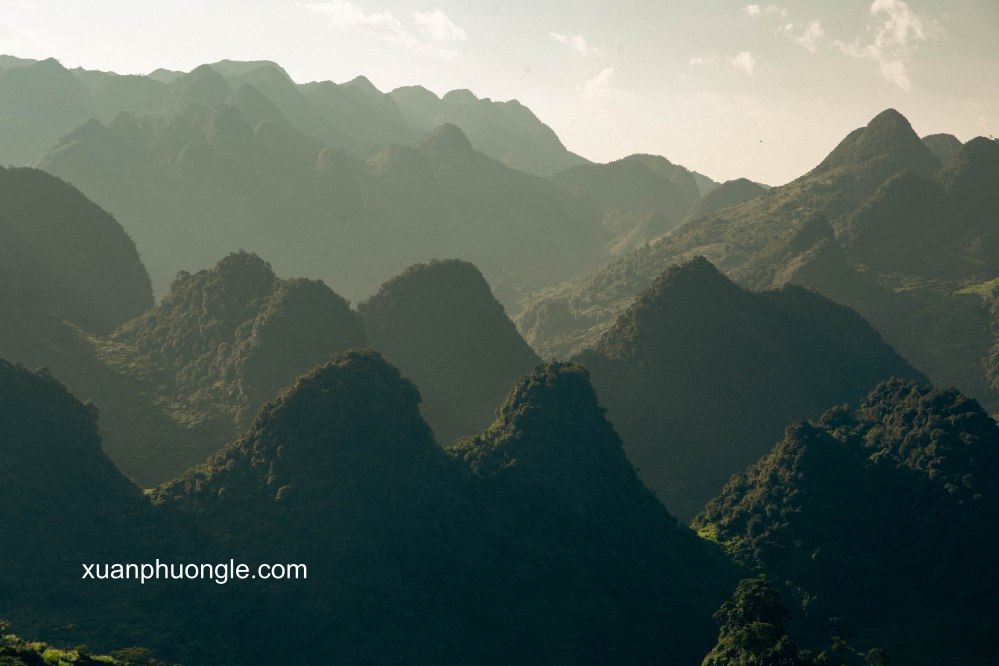
As the northernmost province of Vietnam, Hà Giang is a dream destination for landscape and cultural photographers. With its dramatic limestone peaks, serpentine mountain roads, and deep valleys carved by rivers, Hà Giang offers breathtaking scenery at every turn. But beyond the landscapes, it’s the cultural richness that draws photographers — from the colorful traditional costumes of the H’Mông, Lô Lô, and Dao people to remote markets where ethnic communities gather each week. A Hà Giang photography tour immerses you in both the grandeur of nature and the intimacy of highland life, making it one of the most unforgettable places to photograph in Vietnam.
7. Hoang Su Phi

Hoàng Su Phì, tucked away in Hà Giang Province, is one of Vietnam’s most spectacular yet lesser-known photography destinations. Famous for its terraced rice fields carved into steep mountainsides, the area transforms into a golden wonderland during harvest season. Beyond the iconic landscapes, a Hoàng Su Phì photography tour offers a rare glimpse into the daily life of ethnic minority groups like the Red Dao, Nùng, and La Chí. Their traditional clothing, stilt houses, and intimate farming rituals provide compelling subjects for cultural and documentary photography. For photographers seeking both natural beauty and authentic human stories, Hoàng Su Phì is a hidden gem waiting to be explored.
8. Ninh Binh
Ninh Bình is often called the “Ha Long Bay on land” — and for good reason. Towering limestone karsts rise dramatically from lush rice paddies and winding rivers, creating some of the most cinematic landscapes in Vietnam. A Ninh Bình photography tour offers everything from boat rides through emerald caves in Tràng An, to panoramic views from ancient pagodas like Hang Múa. Beyond nature, it’s also a place to capture the soul of rural Vietnam — farmers in conical hats, misty mornings in the fields, and quiet village life. It’s an essential stop for any photographer looking to blend scenic beauty with cultural depth.
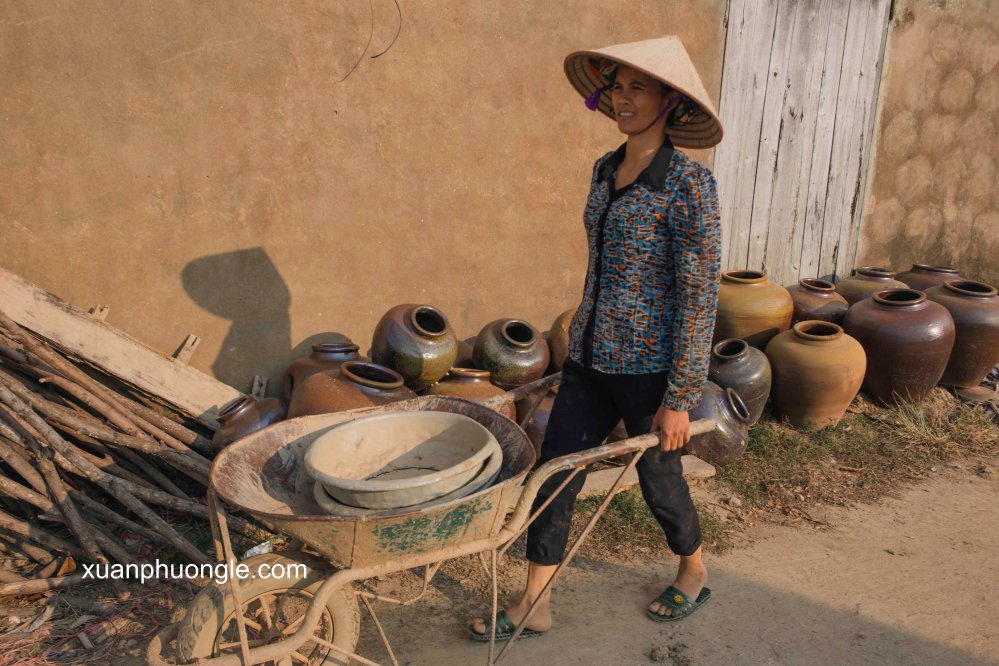
9. Mekong Delta & Floating Markets
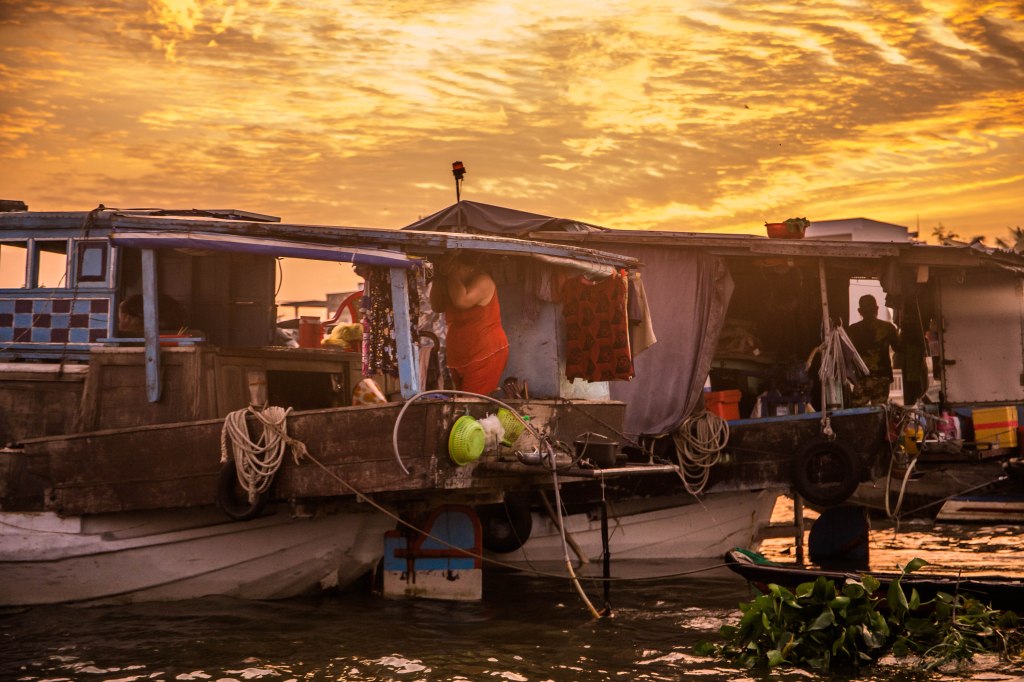
The Mekong Delta is a dream for photographers drawn to everyday life along the water. Known as Vietnam’s rice bowl, this vast network of rivers and canals is home to floating markets, stilt houses, and boats piled high with produce. A Mekong Delta photo tour takes you deep into the rhythms of river life — from sunrise fishing scenes to golden-hour portraits of locals working in coconut groves or weaving mats by hand. The soft light, vibrant textures, and human stories make the Delta a perfect canvas for documentary-style storytelling.
10. Ban Gioc Waterfall (Cao Bang)
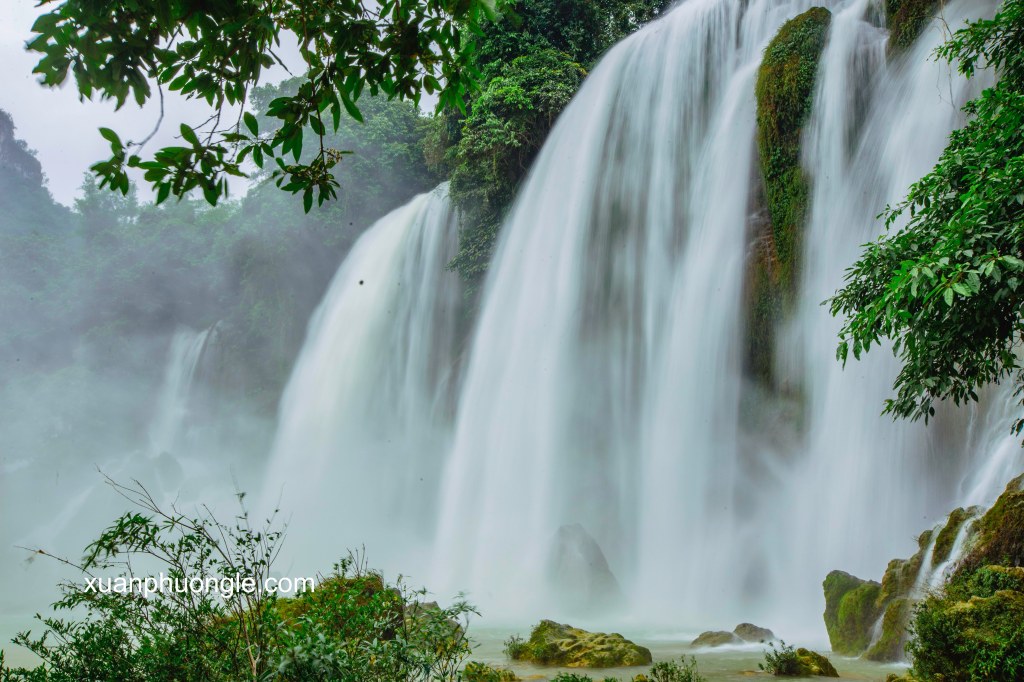
Bản Giốc Waterfall, nestled in the far north of Vietnam along the border with China, is one of the most breathtaking natural wonders in the country. Surrounded by lush limestone mountains and rice paddies, this multi-tiered waterfall creates a magical backdrop for landscape photography. A photo tour to Bản Giốc offers early-morning mist, rainbows in the spray, and traditional bamboo rafts drifting across turquoise waters. It’s a must-visit for anyone seeking to capture Vietnam’s untouched beauty and serene atmosphere.
Why book a guided Vietnam Photography Tour?
Booking a guided Vietnam photography tour ensures you’ll be at the right place at the right time — with local guidance, cultural context, and insider access. You’ll get help with planning logistics, avoiding tourist traps, and capturing meaningful moments.
Whether you’re passionate about cultural portraits, festivals, landscapes, or street life, Vietnam offers unmatched diversity for every visual storyteller.
 XUAN PHUONG