
Every autumn, Vietnam’s northern highlands undergo one of the most breathtaking seasonal transformations on Earth. Hillsides carved into graceful tiers turn from lush green to radiant gold as the rice ripens, creating a vast patchwork of color under soft mountain light. For photographers, this is a fleeting opportunity to capture nature and culture in perfect harmony—a living canvas that lasts for only a few short weeks.
The golden rice terrace season, typically from late August to early October, is more than just a spectacle for the eyes. It is the culmination of months of labor by ethnic minority communities who have shaped these terraces for generations. From the gentle morning mist settling over the fields to the rhythmic motion of farmers harvesting by hand, each moment offers images rich in texture, color, and human connection. A photography tour during this time is not only about landscapes, but also about documenting a way of life deeply tied to the land.
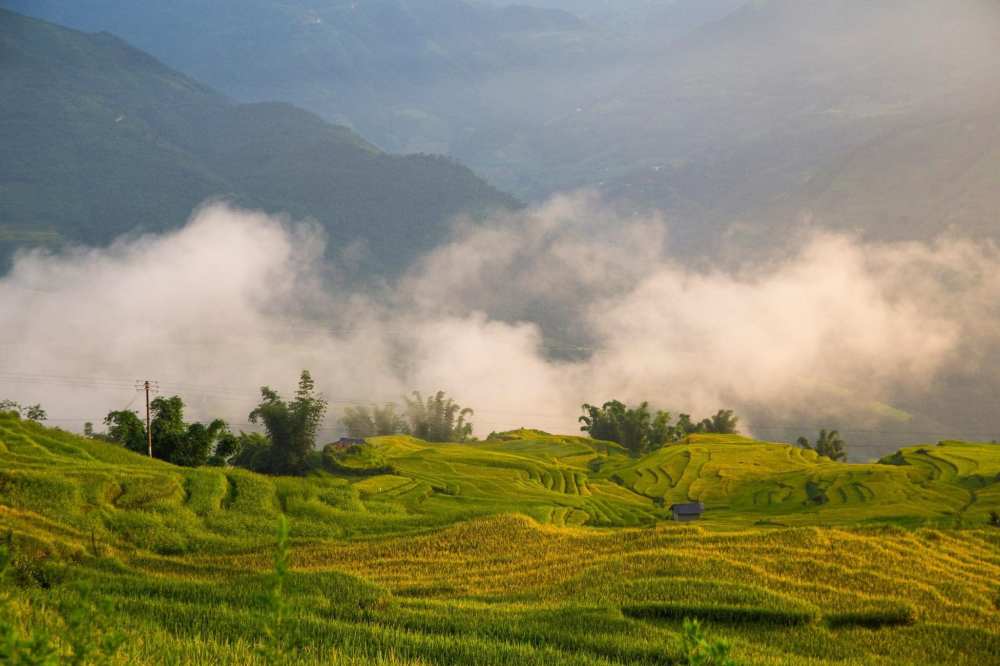
Where to Capture the Golden Season
While rice terraces can be found in many parts of Vietnam’s northern mountains, a handful of locations stand out for their dramatic beauty and photographic variety. Mù Cang Chải in Yên Bái province is perhaps the most famous, its UNESCO-recognized terraces cascading down the hills in sweeping arcs. Villages like La Pán Tẩn, Chế Cu Nha, and Dế Xu Phình are particularly photogenic, especially when bathed in early morning light. The area offers countless angles—from panoramic viewpoints high above the valley to intimate scenes of farmers carrying freshly cut rice.
Further north, Sa Pa in Lào Cai province blends impressive landscapes with vibrant cultural encounters. Its surrounding villages, such as Tả Van and Y Tý, offer compositions where layers of terraces fade into the mist, punctuated by wooden houses and water buffalo. Markets here are a riot of color, with H’Mong and Dao women in handwoven clothes—a chance to combine environmental portraiture with cultural storytelling.
For those seeking a more off-the-beaten-path experience, Hoàng Su Phì in Hà Giang province offers rugged, dramatic terraces carved into steep mountain slopes. Fewer visitors make the journey here, and the rewards are many: sharper light-and-shadow contrasts, unspoiled villages, and the occasional breathtaking view where golden terraces seem to spill into deep valleys.
Best times for rice terraces photo tour
The harvest season moves like a slow wave through the highlands, beginning in lower valleys and ending in higher, cooler areas. Sa Pa usually reaches its peak golden hue between late August and mid-September, while Tu Lê follows closely in early to mid-September. Mù Cang Chải’s peak often arrives from mid-September to early October, with Hoàng Su Phì wrapping up the season in late September. Many photography tours are designed to follow this natural progression, allowing photographers to capture peak conditions in multiple locations during a single journey.
Tips for shooting in the Golden Season
Light is your greatest ally when photographing the terraces. Early mornings often bring a soft, diffused glow, with mist lingering in the valleys and dew glistening on the rice stalks. Late afternoons cast a warm, angled light that deepens the gold and adds texture to the layers. A wide-angle lens will capture the full sweep of the terraces, while a telephoto can isolate abstract patterns or pick out a lone figure working in the fields. Drones, when used responsibly and in accordance with local regulations, can reveal the grand scale and intricate geometry from above.
Including human elements in your images is essential. A farmer with a conical hat silhouetted against the terraces instantly provides scale and a narrative hook. However, it’s important to approach with respect—greet people, seek permission, and if possible, learn a few words in the local language to break the ice. The harvest season is busy and important to the community; your sensitivity will make for better encounters and more authentic photographs.
Weather can change rapidly in the mountains, so be prepared with waterproof gear for both yourself and your equipment. Sturdy, non-slip footwear is essential for navigating the often muddy paths between fields. Beyond landscapes, keep your eyes open for cultural details—rice drying on bamboo mats, woven baskets propped against a wall, or children playing in the fields. These quiet moments often yield some of the most memorable shots.
Packing for Success
To get the most from your trip, pack a versatile kit: a camera body with a backup, wide-angle and telephoto lenses, a lightweight tripod, polarizing filter, and plenty of memory cards and batteries. A drone is an excellent addition if allowed in your location. For yourself, bring layered clothing to adapt to shifting temperatures, and invest in durable, comfortable footwear. Most importantly, bring a sense of patience—rice terrace photography rewards those willing to wait for the perfect interplay of light, shadow, and human presence.
Shooting with respect
These terraces are not simply a backdrop; they are a living, working landscape and a source of livelihood. Always stick to established paths and avoid damaging crops. Buy local snacks or handicrafts, hire local guides, and share images with those you photograph when possible. Leaving a positive impact ensures that these communities remain welcoming to future photographers.
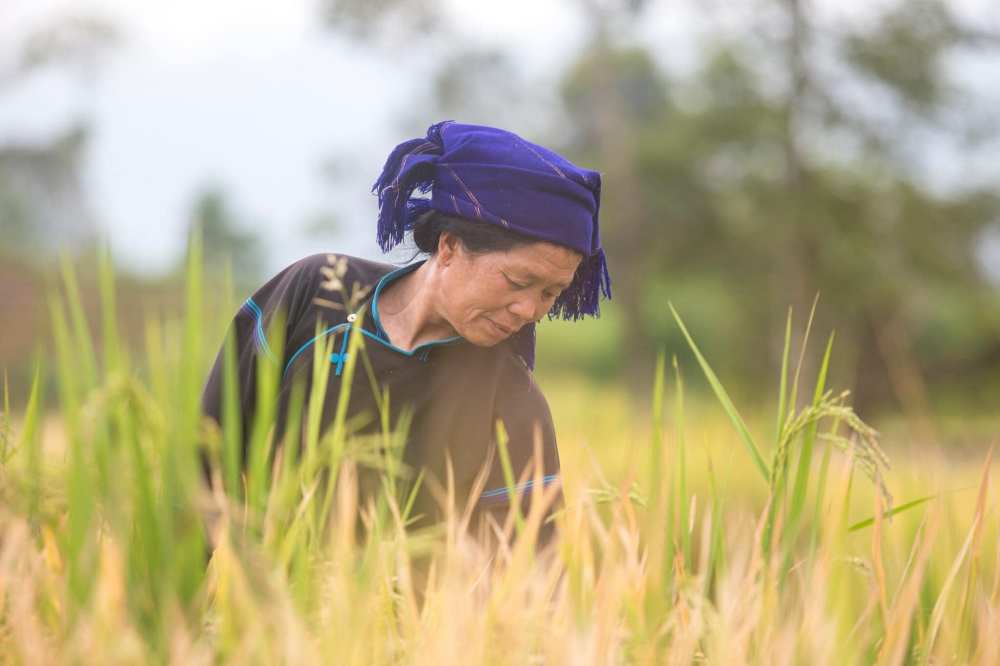
Are you looking for a Vietnam photo tours for golden harvest season on rice terraces?
While independent travel to these regions is possible, a dedicated photography tour brings a level of access, efficiency, and local knowledge that’s hard to match. Guides who know the terrain can take you to vantage points that aren’t marked on maps and time your visits to coincide with the best light. They can introduce you to villagers, explain cultural practices, and help you navigate the often complex logistics of reaching remote mountain areas.
Tours also create opportunities for peer learning. Traveling with other photographers means exchanging ideas, techniques, and feedback in the field. Many tours are structured to maximize your shooting time, moving you from location to location in sync with the harvest season. From sunrise sessions overlooking misty valleys to golden-hour portraits in the fields, every day is carefully planned to yield the most rewarding images.
The golden rice terrace season in Vietnam is more than just a visual feast—it’s an immersion into a landscape shaped by centuries of tradition and a culture deeply tied to the rhythms of the land. For photographers, the challenge and the reward lie in capturing not just the grandeur of the scenery but also the human stories woven into it.
Whether you wander independently or join a well-planned photography tour, you’ll find that each sunrise over the terraces offers something new: a shift in the light, a sudden mist, a farmer’s laugh carried on the wind. These moments are fleeting, but with the right preparation and a photographer’s eye, they can be preserved forever—images that carry the golden glow of Vietnam’s highlands long after the harvest has passed.
You might like

 XUAN PHUONG